How to Streamline Performance Appraisals with AI
Learn how to streamline performance appraisals with AI by using a structured drafting framework that keeps your feedback human-centric and actionable.
You can use LLMs to summarize employee performance by feeding structured data—such as 1:1 notes, goal progress, and project outcomes—into a context-rich prompt to generate a comprehensive draft. By offloading the synthesis of these records to an AI, you reclaim administrative time while ensuring your evaluations remain evidence-based and balanced. While the technology excels at identifying patterns, you retain full responsibility for the final judgment, tone, and delivery of the feedback.
To integrate technology into your management workflow, view the process as a tiered structure. You are delegating the heavy lifting of data processing while retaining the critical responsibility of human oversight.
The first layer is data collection. This involves gathering raw inputs like project outcomes, goal progress, and 1:1 meeting notes. AI excels here by aggregating scattered information from disparate sources. By feeding structured data into an LLM, you ensure the model has a comprehensive view of the employee’s contributions, which helps mitigate recency bias—the tendency to prioritize events from the last few weeks over the preceding months.
The second layer is analysis. Once the data is collected, the LLM acts as a research assistant. It can identify recurring themes, track performance trends, and highlight achievements that might have been overlooked. Because the AI lacks interpersonal context, you should treat its output as a first draft that requires your expertise to refine.
The final layer is judgment, which must remain strictly human. Decisions regarding promotions, compensation, and long-term development are sensitive. According to the NIST AI Risk Management Framework, human accountability and oversight are essential when AI contributes to professional assessments.
The quality of your performance review draft depends on the information you provide. To get the most out of using LLMs to summarize employee performance, move away from relying on memory and toward a structured, evidence-based approach.

Gather information that spans the entire evaluation period to avoid bias. Pull from these specific sources:
OKR and KPI Progress: Export data from your goal-tracking software to show which targets were met.
Project Outcomes: List completed milestones and successful product launches.
1:1 Meeting Notes: Review your logs for recurring themes and development milestones.
Peer Feedback: Include summaries of 360-degree reviews or praise from partners.
Organize your raw materials into a clean, machine-readable format. LLMs parse clear headers and bullet points effectively. Use a document structure like this:
Period: [Date Range]
Key Goals: [List of OKRs and status]
Major Projects: [List of projects and impact]
Development Areas: [Skills improved or identified for growth]
Feedback Highlights: [Key quotes or observations]
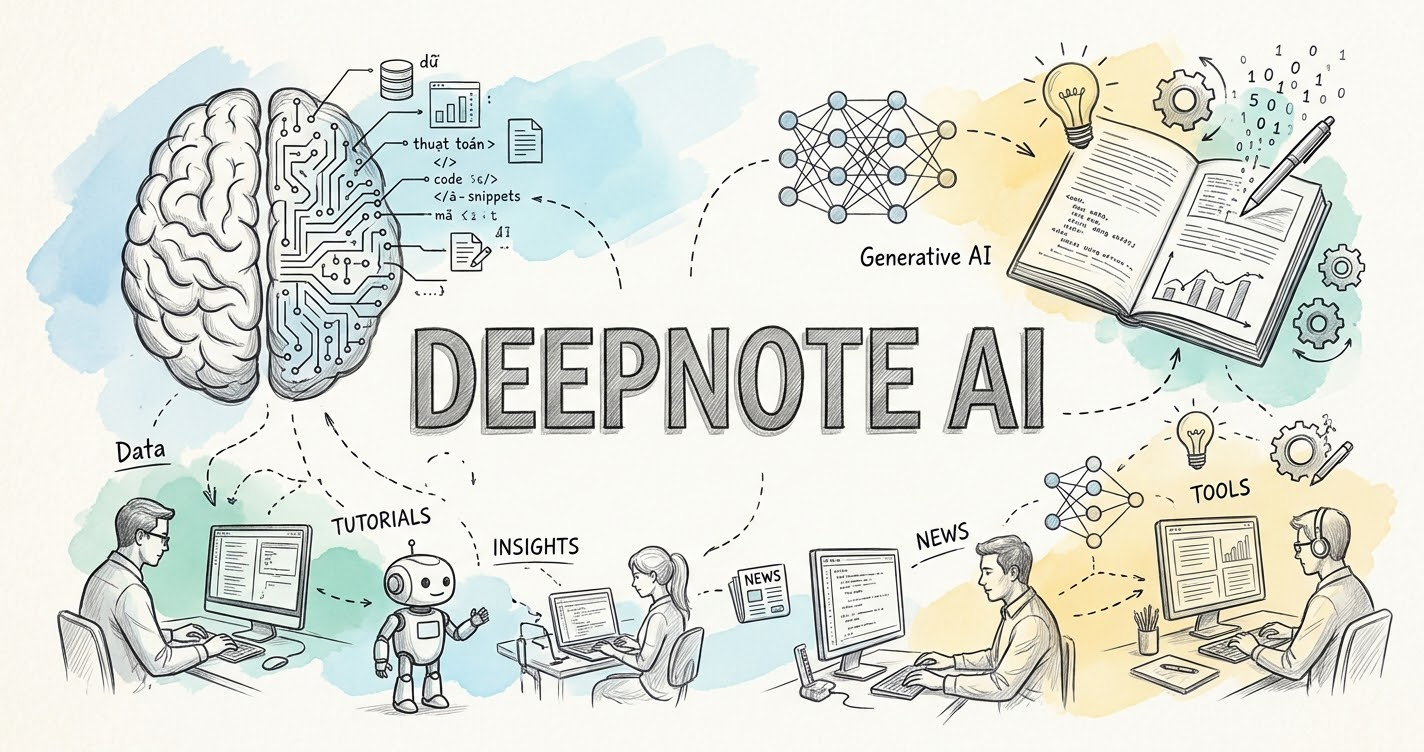
Visualizing the intersection of human insight and machine efficiency is key to mastering AI-assisted performance review drafting. The following illustration highlights how data-driven inputs flow through an AI engine to produce structured, actionable insights.
Use this template to initiate your draft:
"Act as a professional manager. I am writing a performance review for [Employee Name], who holds the role of [Job Title]. The review period covers [Date Range]. Using the provided data below, draft a performance summary that highlights key achievements, areas for growth, and progress toward goals.
Data inputs: [Paste your organized notes here]
Constraints:
Maintain a supportive, objective, and professional tone.
Use specific examples from the data.
Structure the output into 'What Was Achieved' and 'How It Was Achieved'."
The Evidence-Based Prompt: "Focus strictly on the provided data. For every claim, cite the specific project or feedback note. If a claim cannot be supported, do not include it."
The Growth-Oriented Prompt: "Analyze data to identify development patterns. Highlight three areas of significant improvement and suggest one actionable goal for the next quarter."
The Tone-Adjustment Prompt: "Rewrite the summary to be direct and concise. Use active voice and focus on impact."
The Peer-Feedback Integration Prompt: "Synthesize common themes from peer feedback regarding collaboration and impact, framing them as constructive observations."
The Comparative Analysis Prompt: "Compare performance against stated goals. Where discrepancies exist, explain the context provided in the notes, focusing on obstacles or pivots."
By leveraging LLMs to handle data synthesis, you neutralize recency bias and free up your mental energy for the most critical part of the process: the conversation itself. Technology can organize the facts, but it cannot replicate the empathy required to deliver feedback that inspires growth. If you are ready to refine your management process, feel free to reach out to learn more about optimizing your AI-assisted workflows.
Learn how to streamline performance appraisals with AI by using a structured drafting framework that keeps your feedback human-centric and actionable.
Learn how to use AI for performance reviews by treating ChatGPT as a drafting partner to create constructive, personalized, and human-sounding feedback.
Discover the best AI-assisted management tools to streamline performance reviews, reduce administrative work, and ensure fair, data-driven feedback for your…