
AI Transformation for SMEs in Vietnam: A Strategic Guide
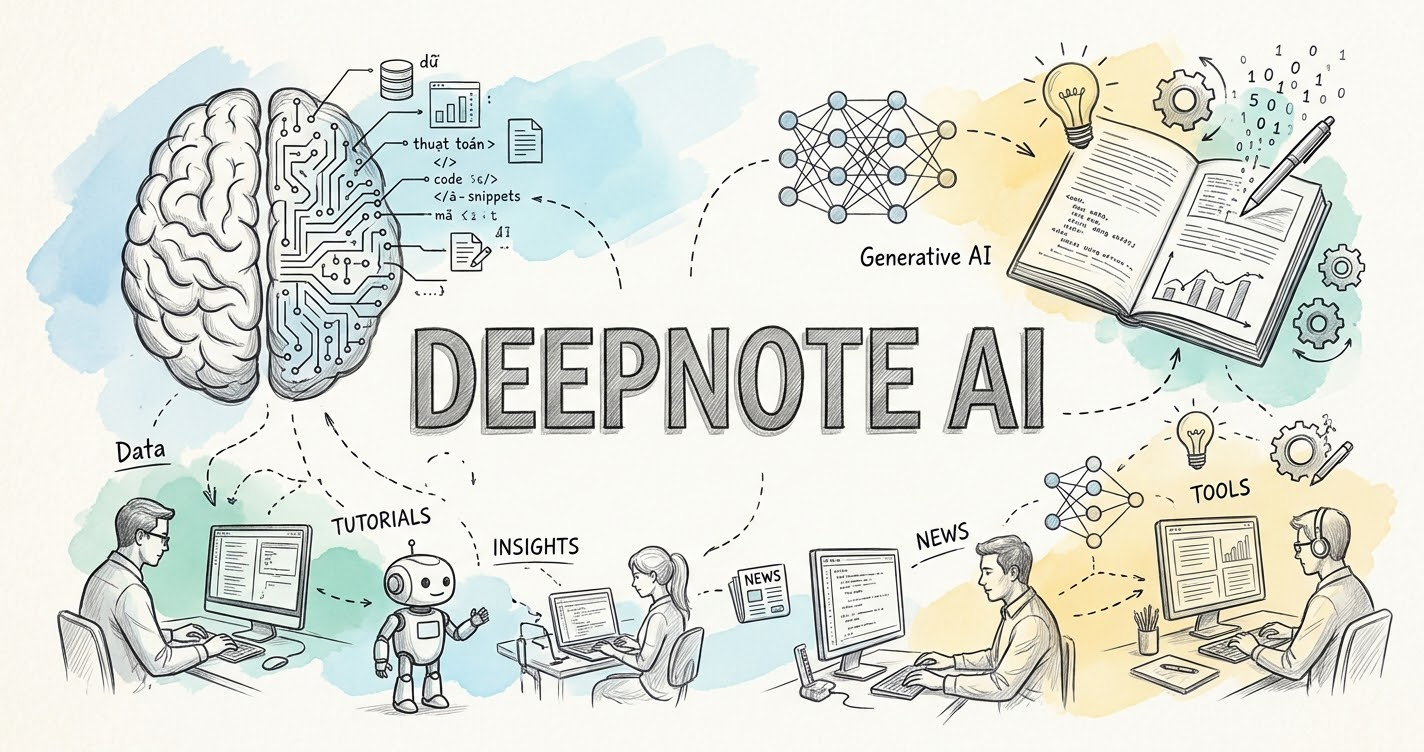
Vietnamese small and medium-sized enterprises (SMEs) are at a critical inflection point. For years, the focus remained on basic digitalization—moving from paper-based records to cloud storage and simple CRM systems. Today, that baseline is no longer sufficient to maintain a competitive edge. The market is shifting rapidly toward AI transformation for SME in Vietnam, where operational intelligence replaces manual labor and reactive decision-making.
This transition is a fundamental shift in business architecture. By integrating generative AI and automated agents into core workflows, businesses achieve levels of scalability and precision previously reserved for large corporations. For the modern Vietnamese entrepreneur, AI adoption is transitioning from a luxury experiment to a strategic necessity. This article provides the framework required to navigate this shift, ensuring your business builds a resilient, AI-driven foundation for sustainable growth.
The Current State of AI Adoption for Vietnamese Businesses
The digital landscape in Vietnam is experiencing a profound metamorphosis. Driven by one of the fastest-growing digital economies in Southeast Asia, the country has moved from basic internet penetration to a sophisticated tech ecosystem. However, AI adoption for Vietnamese businesses is no longer just about digitizing records; it is about transitioning from static digital transformation to dynamic, AI-integrated business models that leverage machine learning and large language models (LLMs) to gain a competitive edge.
From Digitalization to Intelligent Automation
The primary goal for many SMEs was once simply to get online. Today, the focus has shifted toward digital transformation with AI in Vietnam, where the objective is to embed intelligence into the core of daily operations. This shift involves moving away from manual, spreadsheet-heavy workflows toward automated systems capable of predictive analytics, customer sentiment analysis, and real-time decision support.
While early adopters in fintech and e-commerce have integrated AI to personalize user experiences, many traditional SMEs remain reliant on legacy processes. This creates a widening gap between companies that treat data as a strategic asset and those that view it as a byproduct of business.
Primary Drivers of AI Strategy for SMEs
The push toward AI is a response to specific economic pressures. For most local enterprises, the AI strategy for SMEs is anchored in three critical drivers:
Labor Cost Optimization: As human capital costs rise, businesses seek ways to maintain output without linear increases in headcount. AI agents handle customer inquiries and administrative tasks with fewer manual interventions.
Scalability: AI provides the infrastructure to scale operations without the friction of traditional hiring cycles. Automated workflows handle peak demand periods, such as the Tet holiday, without needing temporary staff.
Market Competition: With international players entering the Vietnamese market, local SMEs face pressure to match the operational efficiency of global competitors.
The Adoption Divide
There is a distinct divide between tech-forward firms and legacy-reliant businesses. Early adopters are already experimenting with agentic workflows that connect disparate software stacks. Understanding these hurdles is essential; for a deeper look at the specific obstacles hindering progress, see our analysis on the challenges of AI adoption in Vietnam.
| Adoption Stage | Focus Area | Primary Goal |
|---|---|---|
| Legacy-Reliant | Manual data entry | Digitization |
| Transitional | Basic automation | Efficiency |
| AI-Integrated | Predictive/Agentic | Scalability |
Identifying High-Impact AI Opportunities via Workflow Audits
Successful AI transformation for SME in Vietnam requires moving beyond the hype of chat interfaces into structured operational intelligence. To identify where AI provides the highest return, treat your business processes as a data-driven system. A rigorous AI workflow audit is the foundational step in this transition, ensuring that your AI strategy for SMEs is built on concrete operational needs.
Mapping Processes to AI Capabilities
The first step in your audit is to inventory high-frequency, high-volume tasks. Look for processes characterized by repetitive data entry, document summarization, or standard customer communication.
Deconstruct Tasks: Break down complex workflows into granular steps. Identify which steps require human judgment and which rely on predictable logic.
Assess Complexity: Categorize tasks by their reliance on unstructured data (emails, PDFs) versus structured data (Excel, ERP databases).
Match to AI Capabilities: Map these tasks to specific AI functions, such as natural language processing for document extraction or predictive analytics for demand forecasting.
The Prerequisite: Data Readiness
Before deploying any AI agent, evaluate your data infrastructure. AI is only as effective as the context provided. If your business data is siloed in fragmented spreadsheets, the AI will lack the "ground truth" to perform reliably. Ensure your historical data is standardized, accessible, and integrated via API connectivity.
Selecting the Right AI Stack for Scalable Growth
Building an effective technology architecture is the backbone of successful AI transformation for SME in Vietnam. Choosing the right stack requires a rigorous evaluation of technical debt, budget, and long-term scalability.
Balancing Cost-Efficiency with Performance
For many Vietnamese SMEs, the primary barrier to AI adoption for Vietnamese businesses is the perceived high cost of enterprise-grade API tokens. Use a tiered model to manage this: utilize cost-effective, smaller models for routine data classification, while reserving high-performance models for complex strategic analysis. For a look at specific tools that balance performance and budget, explore our guide on top 7 affordable AI tools to boost productivity for Vietnamese SMEs.
The Role of Low-Code/No-Code Platforms
Low-code and no-code platforms have democratized digital transformation with AI in Vietnam by lowering the barrier to entry for non-technical teams. Tools like Make.com or Zapier allow you to connect LLMs to your existing CRM and ERP systems without requiring a full-scale software engineering team. This modular approach allows you to iterate quickly and test ROI on specific tasks.
Governance, Compliance, and Cultural Readiness
Successful AI transformation for SME in Vietnam requires a robust framework of governance and a shift in organizational culture. As businesses integrate automated agents, the risks of data exposure grow.
Navigating the Regulatory Landscape
Vietnam’s evolving legal environment, particularly regarding data protection, necessitates a proactive approach. When implementing AI adoption for Vietnamese businesses, ensure that any third-party AI service providers comply with local standards. For deeper insights into managing these legal hurdles, see our guide on ensuring data privacy and compliance when implementing AI in your business.
Cultivating an AI-Ready Workforce
The most significant barrier to digital transformation with AI in Vietnam is often internal resistance. Shift the narrative from "automation" to "augmentation." Encourage your team to view AI agents as digital assistants that handle repetitive tasks, freeing them to focus on creative problem-solving. For a detailed roadmap on managing this transition, refer to our guide on how to build an AI-ready culture in your company.
By starting with targeted workflow audits and scaling through modular, cost-effective stacks, you create a foundation that is both resilient and adaptable. The future of the Vietnamese economy will be defined by SMEs that treat AI as a core operational competency. Start small, remain disciplined, and build for the long term. If you are ready to begin your journey, contact our team for a personalized AI workflow audit to identify your most immediate opportunities for growth.